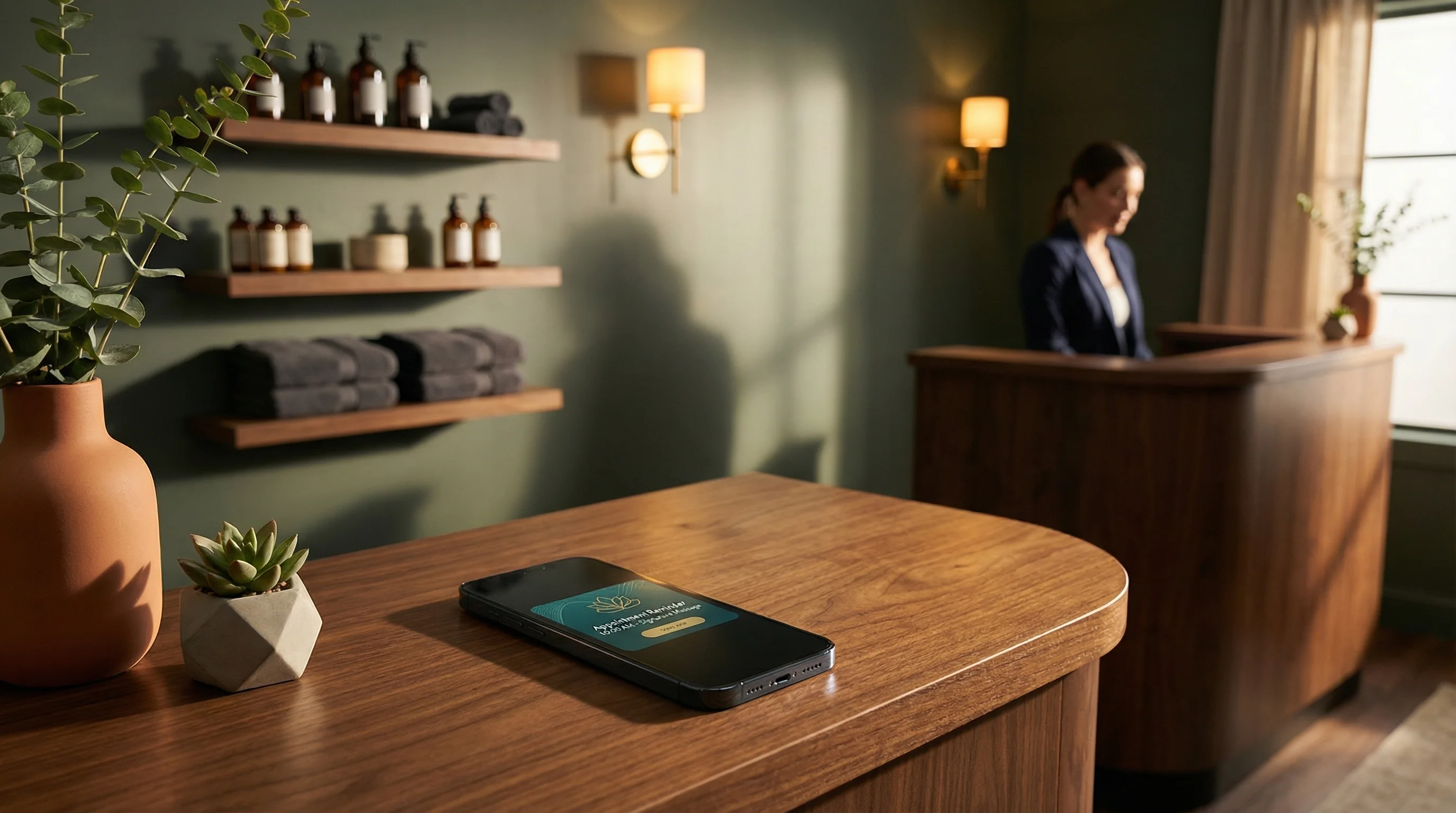
No-shows are one of the most frustrating challenges facing wellness practice owners. Every empty appointment slot represents lost revenue, wasted time, and a missed opportunity to serve another client. Whether you run a massage therapy practice, spa, acupuncture clinic, or holistic wellness center, reducing no-shows is critical to maintaining a healthy, profitable business.
The good news? With the right strategies and systems in place, you can dramatically reduce appointment no-shows while improving client satisfaction and maximizing your schedule efficiency.
Understanding the True Cost of No-Shows
Before diving into solutions, it’s important to recognize what no-shows actually cost your practice. Beyond the obvious lost service revenue, no-shows impact your business in multiple ways:
Direct revenue loss from the empty appointment slot that could have been filled by another paying client. For a 60-minute massage at $100, each no-show costs you $100 in immediate revenue.
Opportunity cost of turning away other clients who wanted that time slot. You may have declined bookings days in advance, only to have the slot go unfilled.
Staff productivity waste when practitioners arrive ready to work but have unexpected gaps in their schedule, reducing overall efficiency and morale.
Administrative burden of following up with no-show clients, attempting to reschedule, and managing the aftermath of missed appointments.
Industry research shows that wellness practices typically experience no-show rates between 5-30%, with an average around 15%. For a practice with 100 weekly appointments, that’s 15 lost bookings every single week.
Implement Multi-Channel Automated Reminders
The single most effective way to reduce no-shows is implementing an automated, multi-channel reminder system. Human memory is fallible, and clients lead busy lives. Your reminder system should work for them, not against them.
The Three-Tier Reminder Strategy
One week before: Send an initial reminder that helps clients plan their week. This gives them time to identify conflicts and reschedule if needed.
24-48 hours before: Send a confirmation reminder asking clients to confirm their appointment. This is your primary defense against no-shows and creates accountability.
2-4 hours before: Send a final reminder as clients are planning their day. This catches last-minute conflicts and serves as a gentle nudge for those who might forget.
Choose the Right Reminder Channels
Different clients prefer different communication methods. Offer options including:
- SMS text messages have the highest open rates (98%) and are ideal for quick confirmations
- Email reminders work well for detailed appointment information and preparation instructions
- Push notifications through your mobile app provide instant, non-intrusive touchpoints
- Phone calls for high-value appointments or clients who prefer personal connection
Modern practice management software allows you to automate all of these reminder types, saving your staff countless hours while ensuring no client slips through the cracks.
Establish Clear Cancellation Policies
Your cancellation policy sets expectations and creates accountability. Without clear policies, clients may treat appointments casually, canceling at the last minute or simply not showing up.
Creating an Effective Policy
Your cancellation policy should include:
- Minimum advance notice required (typically 24 hours for most wellness services)
- Specific consequences for late cancellations and no-shows (percentage of service fee charged)
- How to cancel (online portal, phone, text) with multiple convenient options
- Exceptions you’ll make (emergencies, illness) and how clients should communicate these
Making Your Policy Visible
A policy only works if clients know about it. Display your cancellation policy:
- During the online booking process before appointment confirmation
- In appointment confirmation emails and text messages
- On your website’s FAQ or booking policy page
- In your intake paperwork for new clients
- On reminder messages sent before appointments
When policies are clear and consistently enforced, clients respect your time and your schedule becomes more reliable.
Require Deposits for Strategic Appointments
Deposits create financial commitment and dramatically reduce no-shows for specific situations. While not every appointment needs a deposit, strategic use of this tool protects your most vulnerable time slots.
When to Require Deposits
Consider requiring deposits for:
- First-time clients who have no relationship or history with your practice
- High-value services like couples massages, full-day spa packages, or specialty treatments
- Peak time slots (Saturday mornings, lunch hours) that are in high demand
- Chronic late-cancelers who have demonstrated unreliable booking behavior
- Group appointments where one no-show affects multiple people and time blocks
Deposit Best Practices
Make deposits work smoothly by:
- Keeping deposit amounts reasonable (20-50% of service cost)
- Making the deposit process simple during online booking
- Clearly communicating that deposits apply to the service cost
- Having a system that automatically captures deposits without staff intervention
- Offering easy refunds for legitimate cancellations with proper notice
Credit card on file policies achieve similar results without requiring upfront payment, simply authorizing you to charge the cancellation fee if needed.
Leverage Waitlist Management
An active waitlist transforms cancellations from problems into opportunities. When a client cancels, you should be able to fill that slot within minutes, not hours or days.
Building Your Waitlist
Create waitlists by:
- Allowing clients to add themselves to waitlists for specific days, times, or practitioners
- Capturing contact information from clients you turn away due to full schedules
- Asking established clients if they’d like earlier or additional appointments
- Promoting waitlist availability on your website and social media
Activating Your Waitlist Quickly
When a cancellation occurs, automated systems should:
- Immediately notify waitlist clients via SMS or push notification
- Allow first-come, first-served booking through your online system
- Give clients a limited time window to claim the spot (30-60 minutes)
- Automatically move to the next person if the spot isn’t claimed
A well-managed waitlist means you rarely have empty slots, even when cancellations happen. Clients also appreciate the opportunity to get in sooner than originally scheduled.
Use Strategic Overbooking
Selective overbooking is a sophisticated strategy used by airlines, hotels, and increasingly by wellness practices. When done thoughtfully, it protects against the revenue impact of no-shows without negatively affecting client experience.
How to Overbook Safely
Start conservatively by:
- Analyzing your historical no-show rate by day of week and time of day
- Overbooking only during high-demand time slots where you have waitlist backup
- Limiting overbooking to 1-2 extra appointments during your busiest periods
- Monitoring your actual show rate to adjust the strategy over time
Having a Backup Plan
When everyone shows up (a good problem to have), have a plan:
- Offer a minor service upgrade or add-on to create goodwill
- Keep a practitioner slightly flexible to accommodate the extra client
- Offer an incentive to reschedule (discount on next visit, complimentary add-on)
- Use the opportunity to fill a typically slower time slot
The key is making any client who gets rescheduled feel valued and prioritized, not like an inconvenience.
Improve Client Communication
Strong relationships reduce no-shows. When clients feel connected to your practice and their practitioner, they’re more likely to honor their commitments and communicate proactively about conflicts.
Building Connection
Strengthen client relationships by:
- Sending welcome messages to new clients before their first appointment
- Following up after appointments with care instructions and appreciation
- Remembering client preferences and noting them in your system
- Celebrating milestones like birthdays or anniversaries with your practice
- Sharing wellness tips and content that demonstrates expertise and care
Making Rescheduling Easy
Remove barriers to communication by:
- Offering multiple ways to reschedule (online, phone, text, email)
- Responding quickly to reschedule requests to show you value their communication
- Being flexible when legitimate conflicts arise
- Training staff to be understanding and solution-focused during reschedule conversations
When clients know they can easily reschedule without judgment, they’re more likely to communicate rather than simply not showing up.
Track and Analyze No-Show Patterns
You can’t improve what you don’t measure. Tracking no-show data helps you identify patterns, address root causes, and continuously refine your strategies.
Key Metrics to Monitor
Track these data points:
- Overall no-show rate (percentage of all appointments)
- No-show rate by day of week and time of day
- No-show rate by service type or practitioner
- No-show rate by client demographics (new vs. established)
- Individual client no-show history
Using Data to Take Action
Your data should drive decisions:
- If Monday mornings have high no-show rates, send extra reminders or adjust booking policies
- If new clients no-show frequently, implement deposit requirements
- If certain services have higher no-shows, investigate whether expectations are clear
- If specific clients have patterns, have proactive conversations or adjust their booking privileges
Regular monthly reviews of your no-show metrics help you spot trends early and test new strategies to see what works for your unique practice.
Create Effective Rebooking Workflows
What you do after a no-show matters. Having a systematic approach to rebooking demonstrates professionalism while giving clients a clear path back to your practice.
Immediate Follow-Up
Within a few hours of the missed appointment:
- Send an automated message expressing concern and hope that everything is okay
- Provide a simple way to reschedule with direct links to your booking system
- Remind them of your cancellation policy if applicable
- Keep the tone friendly but professional, not accusatory
Escalation for Chronic Issues
For clients with multiple no-shows:
- Have a personal conversation to understand barriers and whether your services are still a good fit
- Implement progressive policies like prepayment requirements
- Document all no-shows in client records
- Reserve the right to limit or decline future bookings if the pattern continues
Recovery and Win-Back
For valuable clients who have drifted away after a no-show:
- Send a personalized message a few weeks later inviting them back
- Offer a small incentive to rebuild the relationship (slight discount or complimentary add-on)
- Address any concerns that might have led to the no-show
- Make it easy and welcoming to return without dwelling on past issues
Conclusion
Reducing no-shows requires a multifaceted approach combining technology, clear policies, strategic requirements, and strong client relationships. By implementing automated reminders, establishing firm but fair cancellation policies, using deposits strategically, maintaining active waitlists, and continuously analyzing your data, you can dramatically reduce no-shows at your wellness practice.
Start with the foundations: automated reminders and clear cancellation policies. These two changes alone can reduce no-shows by 30-50%. Then layer in additional strategies like deposits, waitlist management, and improved client communication to further optimize your schedule.
Remember, every prevented no-show represents not just preserved revenue, but also a client who received the care they need and a practitioner who spent their time productively. Your schedule is your most valuable asset. Protect it, optimize it, and watch your practice thrive.
Ready to implement automated reminders and smart booking policies that reduce no-shows? WellDesk.ai provides all the tools you need to protect your schedule and maximize your revenue. Schedule a demo today to see how our platform can help you reduce no-shows by up to 40%.