The wellness industry is experiencing unprecedented transformation as we move through 2026. From technological innovation to shifting consumer expectations, wellness practitioners and spa owners must stay ahead of emerging trends to remain competitive and deliver exceptional client experiences. This comprehensive guide explores the key trends shaping the wellness landscape this year and provides actionable insights for adapting your practice.
AI and Automation Revolutionizing Wellness Operations
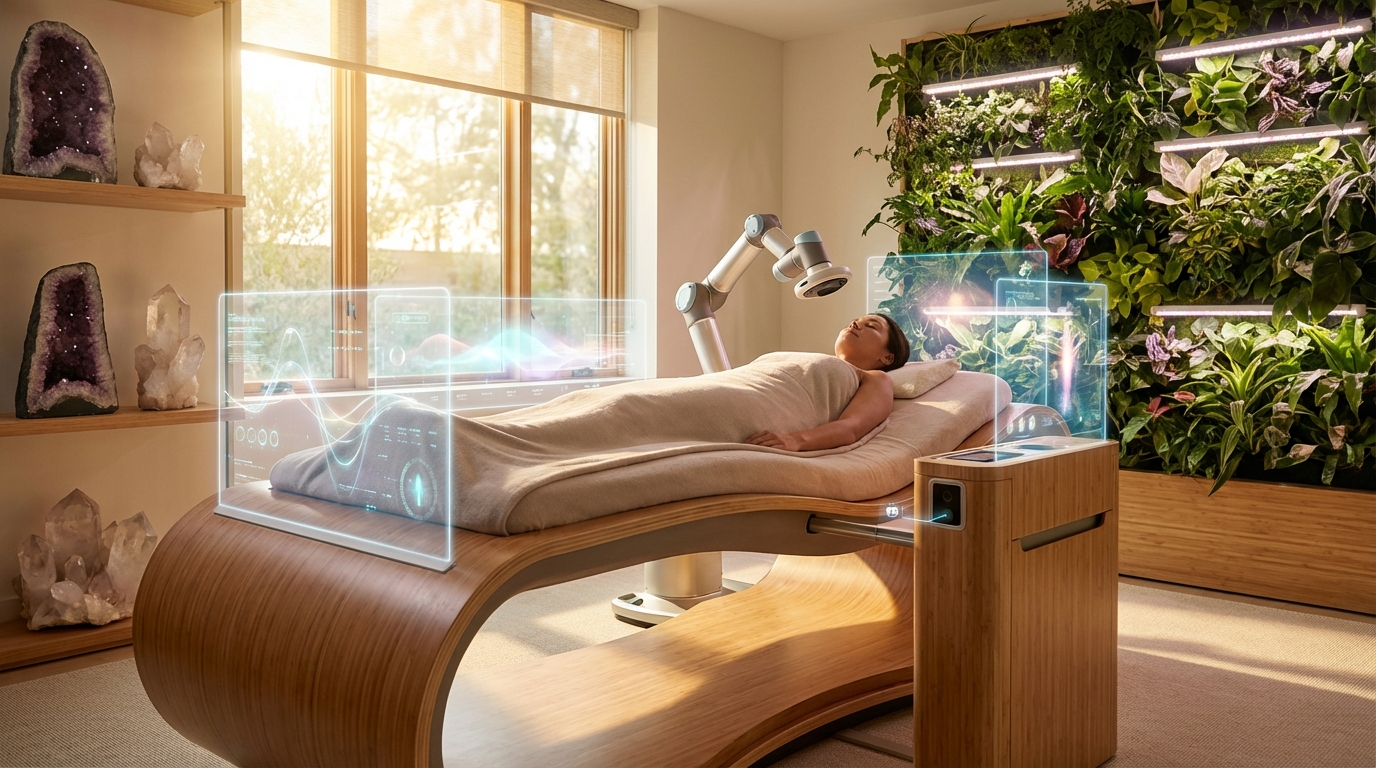
Artificial intelligence has moved from buzzword to business essential in the wellness industry. In 2026, AI-powered tools are streamlining operations and enhancing client experiences in ways that seemed futuristic just a few years ago.
Smart Scheduling and Resource Optimization is now table stakes for efficient practices. AI algorithms analyze historical booking patterns, practitioner availability, and client preferences to optimize appointment scheduling automatically. This reduces no-shows, maximizes practitioner utilization, and ensures clients can book their preferred times with minimal friction.
Personalized Treatment Recommendations powered by machine learning analyze client history, preferences, and outcomes to suggest tailored wellness plans. These systems continuously learn from each interaction, becoming more accurate over time and helping practitioners deliver truly individualized care at scale.
Automated Client Communication has evolved beyond simple appointment reminders. Modern systems send personalized wellness tips, treatment follow-ups, and re-engagement campaigns based on each client’s journey and preferences, maintaining connection without overwhelming staff.
The key for wellness businesses is adopting AI tools that augment rather than replace the human touch that remains central to wellness care.
Holistic Wellness Becomes the Standard
The days of siloed wellness services are ending. In 2026, successful practices are embracing truly holistic approaches that address the interconnected nature of physical, mental, and emotional wellbeing.
Mental Health Integration is no longer an add-on but a core component of wellness offerings. Spas and wellness centers are incorporating stress management techniques, mindfulness practices, and even partnering with mental health professionals to offer comprehensive care. This reflects growing recognition that physical treatments are most effective when mental and emotional health are also addressed.
Nutrition and Lifestyle Coaching complement traditional treatments as practitioners recognize that sustainable wellness requires support beyond the treatment room. Many practices now offer nutritional guidance, sleep optimization strategies, and lifestyle coaching as part of integrated wellness programs.
Multi-Disciplinary Collaboration is increasingly common, with massage therapists, estheticians, yoga instructors, and nutritionists working together to create comprehensive wellness plans. This collaborative approach delivers better outcomes and creates a more cohesive client experience.
Technology Adoption Accelerates
Beyond AI, broader technology adoption is transforming how wellness businesses operate and engage with clients in 2026.
Virtual and Hybrid Services have matured from pandemic necessity to permanent offerings. Many practices now offer virtual consultations, online wellness coaching, and hybrid membership models that combine in-person treatments with digital support. This expands reach beyond geographic limitations and provides flexibility that modern clients demand.
Wearable Device Integration allows practitioners to access objective health data from clients’ fitness trackers and health monitors. This data informs treatment planning and enables practitioners to track progress between appointments, creating more informed and effective care.
Contactless Experiences remain popular for their convenience and safety. From digital check-in to mobile payment processing, reducing friction points in the client journey improves satisfaction and operational efficiency.
Sustainability Moves to Center Stage
Environmental consciousness has shifted from competitive advantage to baseline expectation among wellness consumers in 2026.
Eco-Friendly Products are now standard, with clients actively seeking practices that use organic, sustainably sourced, and cruelty-free products. Many wellness businesses are partnering directly with sustainable brands or creating their own clean product lines.
Energy Efficiency and Waste Reduction initiatives demonstrate commitment to environmental responsibility. This includes LED lighting, water conservation systems, recycling programs, and minimizing single-use items. Forward-thinking businesses are measuring and publicizing their environmental impact.
Sustainable Business Practices extend beyond products to include ethical sourcing, local partnerships, and community involvement. Wellness businesses are increasingly viewed as community health hubs with responsibility beyond profit.
Personalization Through Data-Driven Insights
The ability to collect, analyze, and act on client data is creating unprecedented opportunities for personalized wellness experiences in 2026.
Comprehensive Client Profiles go beyond basic contact information to include detailed preferences, treatment history, outcomes, and goals. This data enables practitioners to deliver truly customized experiences from the moment clients walk through the door.
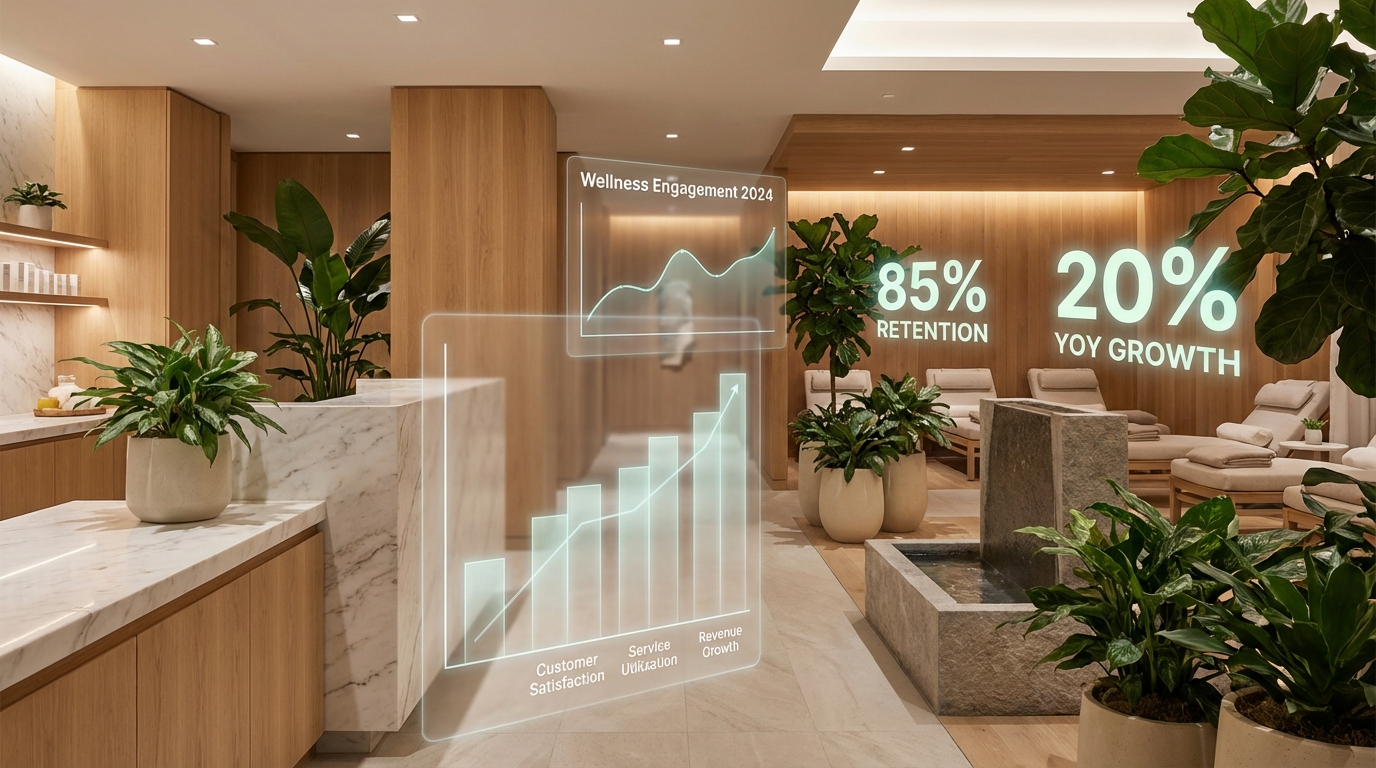
Outcome Tracking and Measurement allows practices to demonstrate value and refine treatments based on results. Clients increasingly expect measurable progress toward their wellness goals, and data-driven practices can deliver this accountability.
Predictive Analytics help identify which clients may be at risk of churning, which services they’re most likely to purchase next, and optimal timing for outreach. This intelligence enables proactive rather than reactive client relationship management.
Wellness Tourism and Experience Economy
As wellness becomes a lifestyle priority rather than occasional indulgence, new consumption patterns are emerging in 2026.
Destination Wellness is booming, with wellness retreats and immersive experiences attracting clients seeking transformative experiences. Even local practices can tap into this trend by creating intensive wellness days or weekend programs.
Experience Over Transactions defines modern consumer expectations. Clients seek memorable, Instagram-worthy experiences that extend beyond the treatment itself. Successful practices are investing in ambiance, customer journey design, and experiential elements that create lasting impressions.
Wellness Memberships are replacing traditional package models as businesses recognize the value of recurring revenue and long-term client relationships. Membership models encourage consistent engagement and position wellness as an ongoing journey rather than episodic purchases.
Mental Health and Stress Management Take Priority
The lasting impact of recent global challenges has elevated mental health and stress management to top priorities for wellness consumers in 2026.
Stress Relief Services are experiencing explosive demand, from massage and bodywork to meditation, sound healing, and breathwork. Practices that excel at creating sanctuary spaces for relaxation and stress relief are thriving.
Mindfulness Integration across all services helps clients be more present and engaged during treatments. Even traditional spa services are incorporating mindfulness elements to deepen relaxation and enhance outcomes.
Community and Connection are recognized as essential wellness components. Practices are creating opportunities for clients to connect through group classes, workshops, and wellness communities, addressing the epidemic of loneliness alongside physical health.
Preparing Your Practice for the Future
Successfully navigating these trends requires strategic thinking and willingness to evolve. Start by assessing which trends align most closely with your practice values and client base. Not every trend will be relevant for every business, but understanding the landscape helps you make informed decisions about where to invest time and resources.
Technology investment should prioritize tools that solve real problems and enhance rather than complicate operations. Look for integrated solutions that grow with your business rather than trying to piece together multiple systems.
Staff training and development ensure your team can deliver on emerging client expectations. This includes both technical training on new systems and continued education on holistic wellness approaches and new modalities.
Client communication about your evolution helps existing clients understand new offerings and attracts new clients seeking forward-thinking practitioners. Share your sustainability initiatives, new services, and commitment to holistic care through your marketing channels.
The wellness industry in 2026 offers tremendous opportunity for practitioners who embrace innovation while maintaining the human-centered care that defines exceptional wellness experiences. By staying informed about key trends and thoughtfully adapting your practice, you can position your business for sustainable growth and lasting client impact.