Retail product sales represent a significant untapped revenue opportunity for many spas and salons. While service revenue forms the core of your business, a strategic retail program can boost profitability, enhance client results, and strengthen your brand. This guide explores proven strategies to increase retail revenue in your wellness business.
The Business Case for Retail
Retail products offer several advantages beyond direct revenue. They extend the benefits of your services between appointments, positioning your business as a trusted advisor in your clients’ ongoing wellness routines. Products also carry higher profit margins than services in many cases, with successful retail programs achieving 40-60% margins compared to 30-40% for services after labor costs.
Moreover, clients who purchase retail products demonstrate higher loyalty and retention rates. They’re investing not just in a single service but in an ongoing relationship with your brand.
Creating Compelling Product Displays
Your product displays serve as silent salespeople, working 24/7 to attract attention and encourage purchases. Strategic placement makes all the difference.
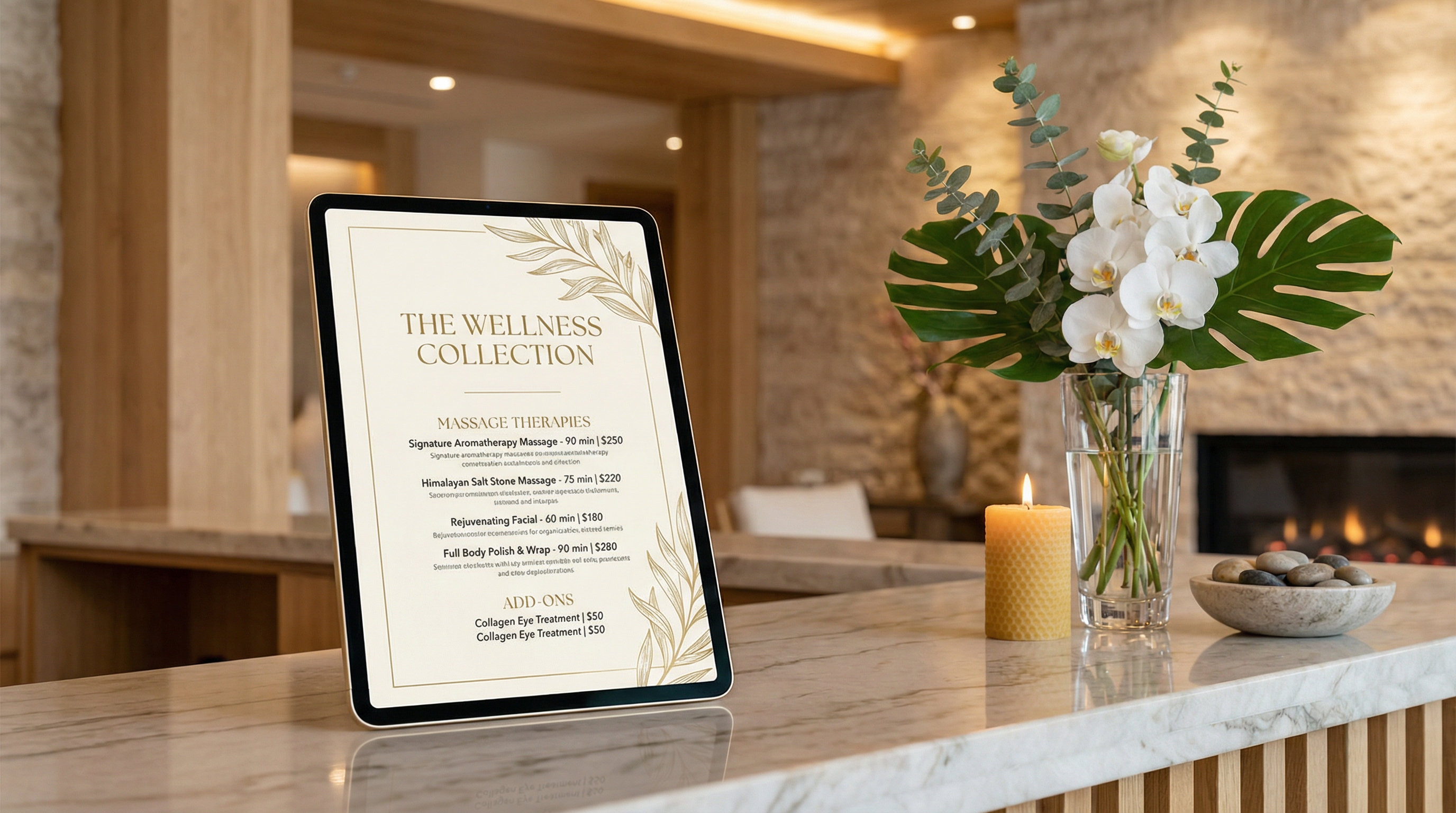
Prime real estate locations include the reception desk, waiting area, and checkout counter. Clients spend time in these spaces, giving them opportunity to browse. Consider also placing products in treatment rooms where clients can see and ask about items used during their service.
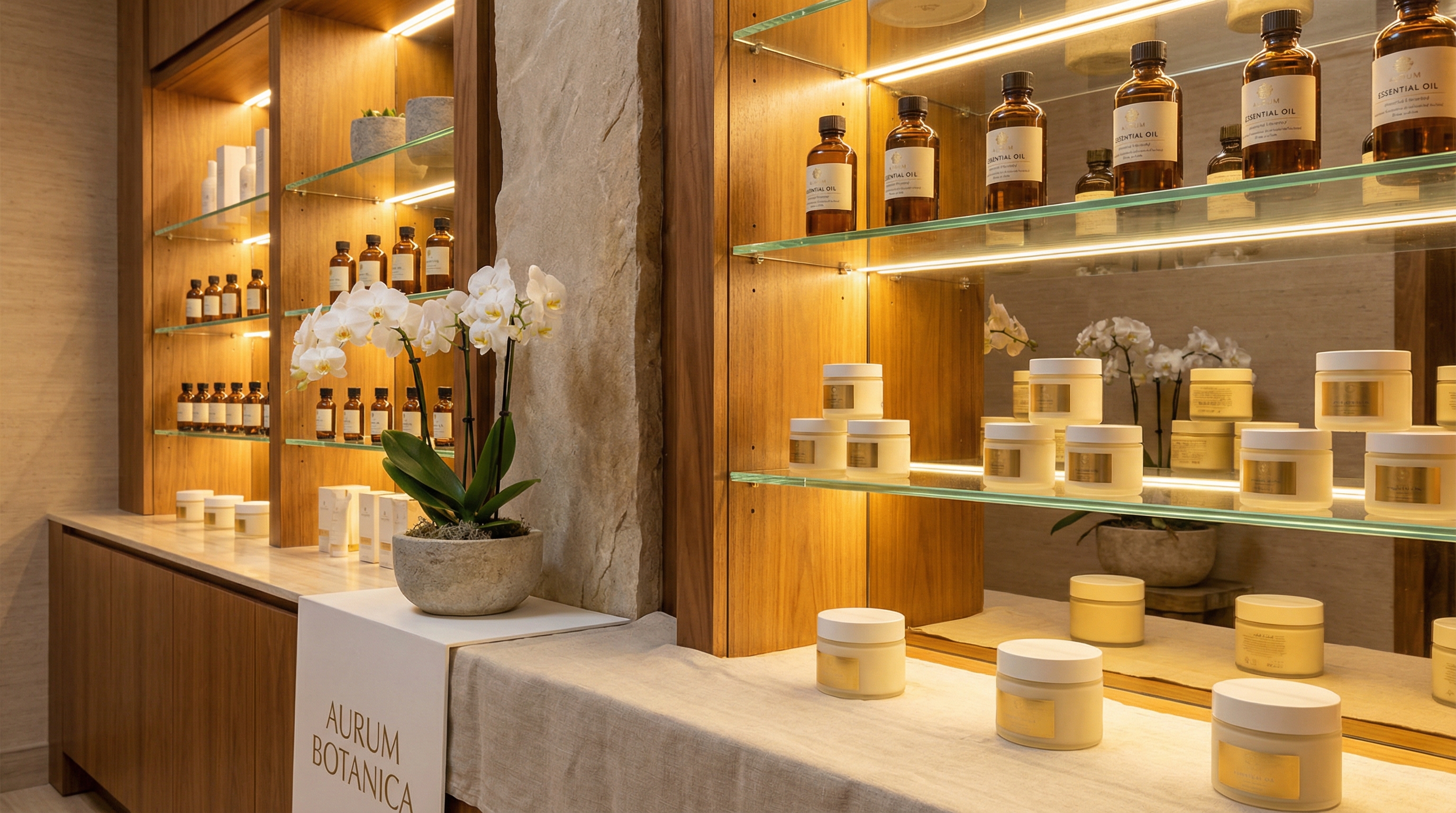
Visual merchandising principles apply to wellness retail just as they do in traditional retail. Display products at eye level, use proper lighting to highlight merchandise, and create themed groupings. A “winter skin rescue” display or “bridal beauty essentials” collection tells a story that resonates more than products simply lined up by brand.
Keep displays fresh by rotating featured products monthly. This gives regular clients something new to discover and prevents your retail area from becoming wallpaper they stop noticing.
Use testers generously. Clients want to experience texture, scent, and immediate results before purchasing, especially for premium products. Products with testers sell significantly better than sealed merchandise alone.
Training Your Team to Recommend Products
Your service providers are your most powerful retail asset. Clients trust their expertise and value their personalized recommendations. However, many talented aestheticians, massage therapists, and stylists feel uncomfortable with sales conversations.
Reframe the conversation from “selling” to “prescribing.” Train your team to view product recommendations as an extension of the care they provide during services. When a facialist recommends a vitamin C serum for the hyperpigmentation they’ve been treating, that’s professional advice, not a sales pitch.
Develop consultation skills that uncover client needs. Simple questions like “What concerns you most about your skin?” or “What are you currently using at home?” open doors to relevant recommendations. When staff demonstrate genuine interest in solving client problems, recommendations feel natural and helpful.
Product education is essential. Staff can’t confidently recommend products they don’t understand. Invest in regular training sessions where team members learn about product ingredients, benefits, and ideal candidates. Consider having staff try products themselves so they can share authentic first-hand experiences.
Set expectations and incentives that balance business goals with client care. Rather than aggressive sales quotas that create pressure, consider recognition programs that reward team members who achieve strong retail attachment rates. Some businesses offer tiered commission structures where staff earn higher percentages as they reach retail milestones.
Bundling Services with Products
Service and product bundles create value for clients while increasing your average ticket size. These packages simplify decision-making and often help clients commit to comprehensive care routines.
Post-service maintenance kits are natural bundles. After a deep conditioning hair treatment, offer a take-home kit with shampoo, conditioner, and weekly mask to maintain results. Following a facial, bundle the serum, moisturizer, and SPF used during treatment.
Seasonal packages align with client needs throughout the year. A “summer skin protection package” might include UV-protective services plus sunscreen and after-sun care products. A “holiday glow package” could bundle services with makeup and skincare for party season.
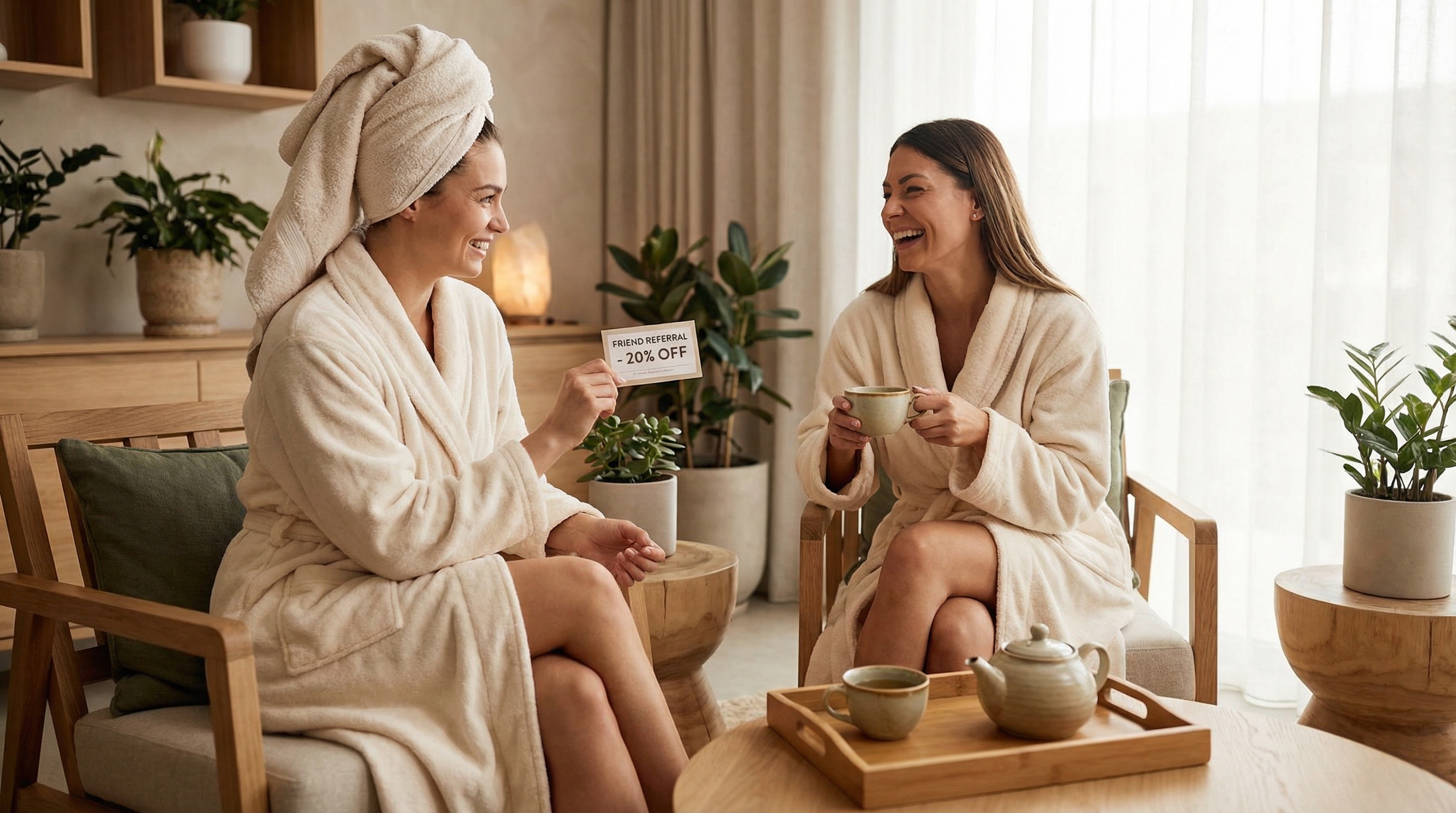
Introduction offers for new clients that include service plus retail help establish product routines from the first visit. Consider pricing these strategically as loss leaders that build long-term retail relationships.
Leveraging Loyalty Programs for Retail Growth
Loyalty programs traditionally focus on service rebooking, but smart programs also drive retail sales.
Points-based rewards can earn faster with retail purchases. For example, clients might earn one point per dollar on services but 1.5 points per dollar on retail, incentivizing product purchases.
Retail-specific rewards like “buy three products, get the fourth at 50% off” or birthday month discounts on retail purchases keep products top of mind.
VIP tiers that unlock retail perks encourage ongoing purchases. Higher tiers might offer early access to new products, exclusive retail discounts, or complimentary samples with retail purchases.
Subscription options for frequently replenished products create predictable recurring revenue. Clients can subscribe to receive their favorite cleanser, moisturizer, or supplements monthly at a small discount, ensuring they never run out while you enjoy reliable revenue.
Expanding to Online Retail Channels
While in-person retail leverages the power of service provider recommendations, online channels extend your retail reach significantly.
E-commerce integration with your booking system ensures inventory stays synchronized. Clients can conveniently repurchase products they love without waiting for their next appointment.
Email marketing to clients who’ve purchased specific products can announce when it’s time to restock based on typical usage rates. If a client bought a 60-day supply of serum two months ago, a friendly reminder that they’re likely running low with a convenient reorder link drives repeat purchases.
Social media shopping features let potential clients discover and purchase your products even if they haven’t yet visited for services. Behind-the-scenes content showing products in use during treatments builds interest.
Virtual consultations expand beyond local clients. If your retail line includes products suitable for shipping, licensed professionals can offer online consultations and product recommendations to clients anywhere, opening entirely new markets.
Optimizing Your Product Mix and Inventory
Strategic inventory management ensures you stock products that sell while minimizing capital tied up in slow-moving merchandise.
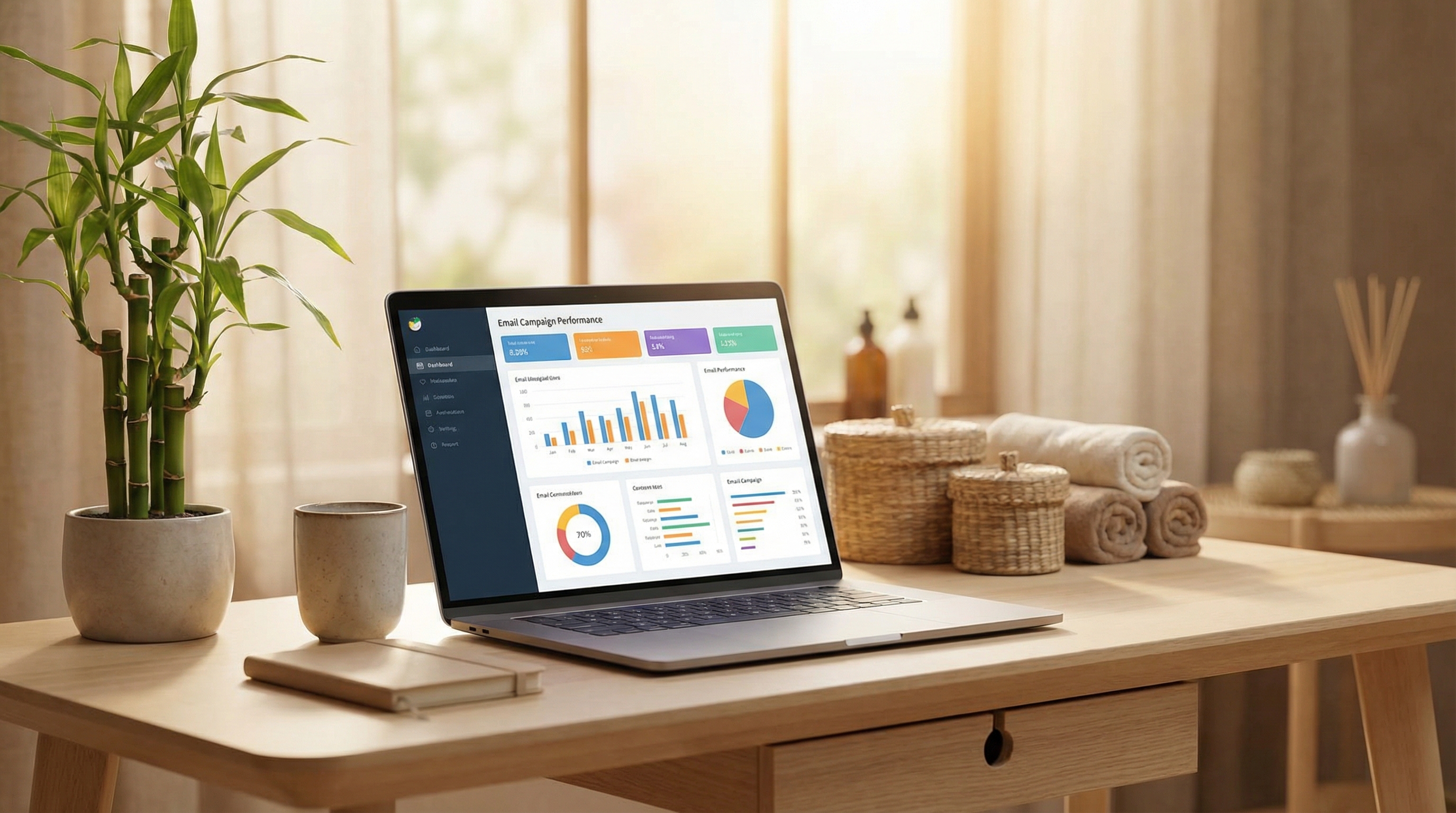
Track retail metrics including inventory turnover rate, sell-through percentage by product, and retail sales per client visit. Modern spa and salon management software makes this analysis straightforward.
Identify top performers and ensure you maintain adequate stock. Nothing damages retail momentum like being out of stock on popular products.
Evaluate underperformers regularly. Products that haven’t sold in 90 days might need repositioning, promotion, or removal from inventory. Some businesses implement “staff favorites” discounts to move older inventory while introducing team members to products.
Listen to client requests. If multiple clients ask for a product category you don’t carry, that’s valuable market research. Being responsive to client needs positions you as a service-oriented business rather than just a product retailer.
Negotiate favorable terms with suppliers as your retail program grows. Many product lines offer better wholesale pricing, return privileges, or marketing support to accounts that meet volume thresholds.
Measuring and Improving Retail Performance
What gets measured gets managed. Establish key performance indicators for your retail program and review them regularly.
Track average retail per client as a core metric. Divide total retail revenue by number of clients served to understand baseline performance and identify improvement opportunities.
Monitor retail attachment rate, the percentage of service clients who also make retail purchases. If only 20% of clients purchase products, there’s significant room for growth through the strategies outlined above.
Analyze retail revenue by team member to identify training needs and recognize top performers. Staff members achieving high retail numbers can mentor those still developing confidence.
Calculate inventory turnover by dividing cost of goods sold by average inventory value. Healthy turnover rates (4-6 times annually) indicate your product mix aligns well with client demand.
Measure return on investment for retail initiatives. If you invest in new displays, training, or product lines, track whether retail revenue increases proportionally to justify ongoing investment.
Conclusion
Retail revenue represents a powerful growth opportunity for spas and salons committed to strategic implementation. By creating attractive displays, empowering staff with training and tools, bundling products with services, leveraging loyalty programs, expanding online, and optimizing inventory based on data, you can significantly increase retail revenue while enhancing client outcomes.
Start with one or two initiatives that align with your current strengths, measure results, and expand your retail program progressively. The businesses that excel at retail don’t treat it as an afterthought but as an integral part of the client experience and overall business strategy.