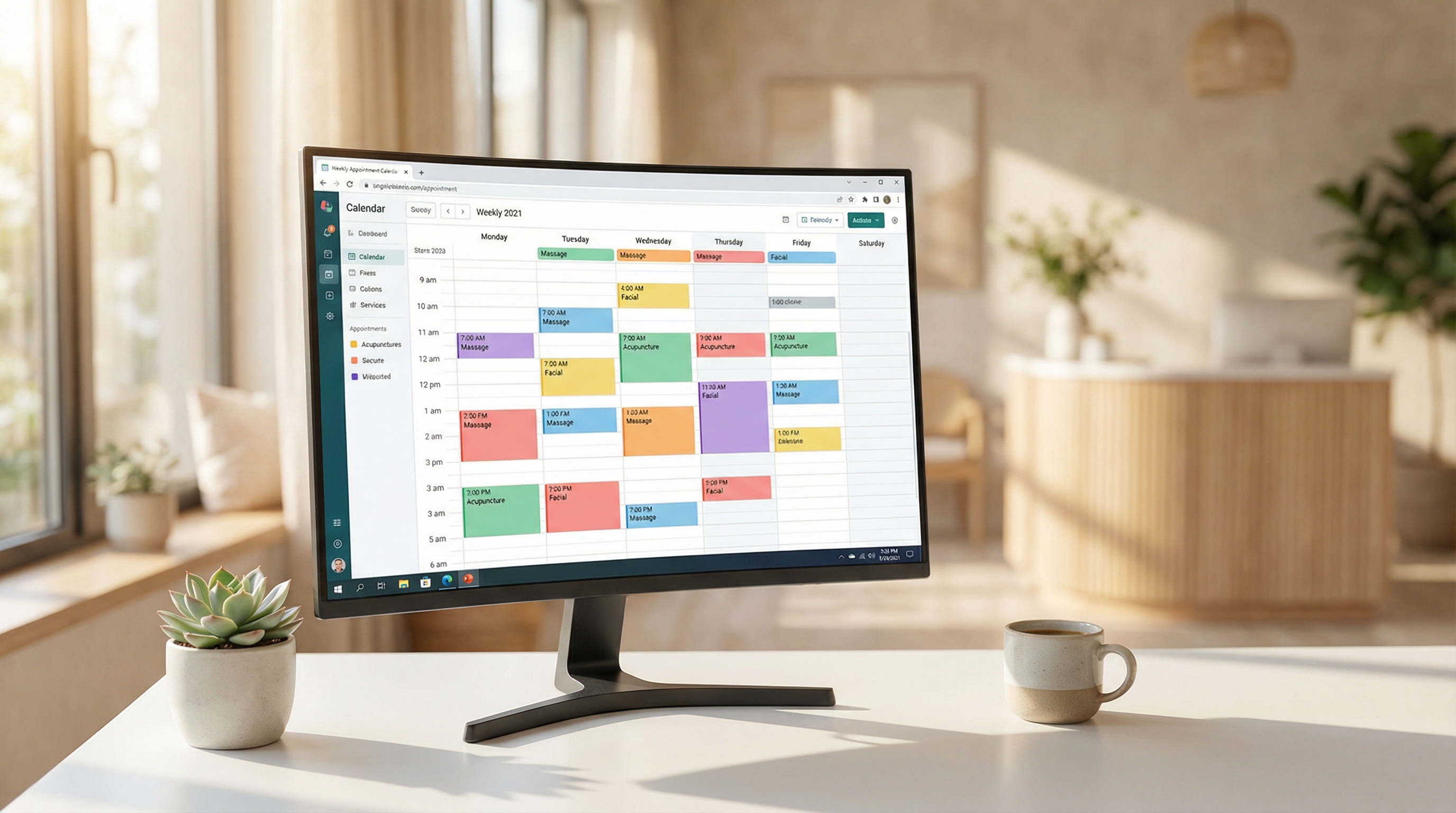
Effective scheduling is the backbone of a profitable wellness business. Yet many spa and wellness practice owners struggle with gaps in their calendar, last-minute cancellations, and inefficient use of provider time. The good news? Strategic scheduling optimization can increase your revenue by 15-30% without adding more service hours or raising prices.
This guide walks you through proven scheduling strategies that successful wellness businesses use to maximize capacity, reduce no-shows, and create a better experience for both clients and staff.
Understanding the True Cost of Poor Scheduling
Before diving into solutions, let’s examine what inefficient scheduling actually costs your business. Every empty appointment slot represents lost revenue that can never be recovered. A massage therapist with just two unfilled hour-long slots per week loses over $10,000 annually in potential revenue.
Common scheduling problems that drain profitability:
- Schedule gaps between appointments that are too short to fill with services but long enough to waste productive time
- No-shows and last-minute cancellations that leave providers idle when they could be serving other clients
- Overbooking that leads to rushed services, stressed providers, and disappointed clients
- Poor treatment spacing that schedules incompatible services back-to-back or doesn’t allow proper recovery time
- Peak time congestion with everyone wanting appointments at the same times, leaving off-peak hours empty
Each of these problems has a solution, and implementing them systematically transforms your business operations.
The Foundation: Setting Up Your Scheduling Framework
Successful scheduling starts with establishing clear rules and parameters. This framework ensures consistency and prevents the chaos of ad-hoc decision-making.
Define Service Duration Standards
Every service needs three time components: actual treatment time, setup time, and cleanup/transition time. A 60-minute massage might actually require 75 minutes when you account for room preparation and turnover. Build these buffer times into your scheduling blocks to maintain quality and prevent provider burnout.
Establish Booking Windows
Determine how far in advance clients can book and your minimum advance notice requirement. Most wellness businesses thrive with a 2-3 month advance booking window and a 4-24 hour minimum notice requirement depending on service complexity.
Create Provider Availability Templates
Map out ideal weekly schedules for each provider including preferred working hours, break times, and blocked time for administrative tasks. These templates serve as the foundation, with flexibility for exceptions and special circumstances.
Strategies to Fill Schedule Gaps and Maximize Capacity
Empty appointment slots are your biggest revenue leak. Here’s how to plug those gaps systematically.
Implement Waitlist Management
Maintain an active waitlist for popular times and services. When cancellations occur, immediately reach out to waitlisted clients to fill the slot. Automated systems can send instant notifications to multiple waitlist clients, letting the first responder claim the opening.
Use Dynamic Pricing for Off-Peak Times
Introduce incentive pricing for traditionally slow periods. Offering 15-20% discounts for mid-morning or early afternoon appointments on weekdays can fill otherwise empty slots while still generating profitable revenue. Many clients appreciate the savings and flexibility.
Offer Express Services
Create shorter service options specifically designed to fill 30-45 minute gaps. Express facials, focused massage sessions, or quick wellness consultations fit into schedule openings that can’t accommodate full-length treatments.
Enable Package Booking
Encourage clients to book multiple appointments at once, especially for services that require regular sessions like chronic pain management or skincare treatments. This creates schedule predictability and improves client outcomes.
Mastering the Art of Cancellation Management
No-shows and last-minute cancellations can devastate your daily revenue. A comprehensive cancellation strategy protects your business while remaining client-friendly.
Build a Multi-Touch Reminder System
Research shows that appointment reminders reduce no-shows by up to 60%. Implement confirmations at three critical points:
- 7 days before: Initial reminder via email with option to reschedule if needed
- 48 hours before: Text message confirmation requesting yes/no response
- 24 hours before: Final reminder via text and email with cancellation policy notice
Establish Clear Cancellation Policies
Your policy should specify minimum cancellation notice (typically 24-48 hours) and consequences for late cancellations or no-shows. Consider requiring credit card on file for bookings, with charges for missed appointments or insufficient notice.
Create a Cancellation Fee Structure
Rather than blanket policies, consider tiered consequences: first offense gets a warning, second requires prepayment for future bookings, third results in removal from booking privileges. This approach balances accountability with understanding that emergencies happen.
Technology Solutions That Streamline Scheduling
Modern scheduling software eliminates the administrative burden of manual calendar management while providing features that boost revenue.
Essential Features to Look For
Real-time availability display shows clients exactly when appointments are open, reducing phone tag and booking friction. Automated reminder systems handle the multi-touch confirmation process without staff intervention. Resource management prevents double-booking of treatment rooms and equipment.
Reporting and analytics reveal patterns in your scheduling data, showing which time slots fill quickly, which services have highest no-show rates, and where opportunities exist for optimization.
Online Booking Benefits
Enabling 24/7 online booking captures appointments outside business hours when phone lines are closed. Studies show that 40% of online bookings occur outside traditional business hours, representing pure revenue gain.
Online booking also reduces administrative workload, freeing your front desk staff to focus on in-person client service rather than playing phone tag for appointments.
Advanced Scheduling Tactics for Growth
Once you’ve mastered the basics, these advanced strategies take your scheduling efficiency to the next level.
Smart Service Sequencing
Certain treatments should be spaced apart for optimal results. For example, chemical peels require 4-6 weeks between sessions, while therapeutic massage for chronic issues works best on weekly schedules. Build these rules into your booking system to prevent inappropriate scheduling while educating clients about proper treatment timing.
Provider Skill-Based Routing
If you have multiple providers with different specializations, implement intelligent booking that matches client needs with provider expertise. This improves outcomes while ensuring your advanced practitioners aren’t spending time on basic services that junior team members can handle.
Capacity Planning for Seasonal Demand
Analyze historical booking data to identify seasonal patterns. Many wellness businesses see surges before holidays, wedding season, and New Year. Plan provider schedules and marketing campaigns around these patterns to maximize capacity during peak periods.
Measuring Success and Continuous Improvement
Optimization is an ongoing process. Track these key metrics to gauge your scheduling effectiveness:
- Utilization rate: Percentage of available appointment slots that are booked (target: 75-85%)
- No-show rate: Percentage of scheduled appointments that clients miss (target: under 5%)
- Average gap time: Minutes of unproductive time between appointments (target: under 15 minutes)
- Booking lead time: How far in advance appointments are typically scheduled
- Peak vs. off-peak distribution: Balance of appointments across available hours
Review these metrics monthly and adjust your strategies based on what the data reveals. Small, consistent improvements compound into significant revenue gains over time.
Implementation: Your Next Steps
Scheduling optimization might seem overwhelming, but you don’t need to implement everything at once. Start with these high-impact steps:
- This week: Audit your current scheduling process and identify your biggest pain points
- This month: Implement automated appointment reminders and establish clear cancellation policies
- Next quarter: Introduce online booking and dynamic pricing for off-peak times
- Ongoing: Review your scheduling metrics monthly and refine your approach
Remember, the goal isn’t perfection but progress. Each improvement to your scheduling process directly impacts your bottom line while creating a better experience for your clients and team.
Your appointment calendar is more than just a schedule. It’s a strategic tool that, when optimized properly, becomes a powerful engine for sustainable business growth.